Tuesday, 7 January 2025

Goa's Renowned Kunbi Sari: The Kunbi sari is a traditional and culturally significant attire that holds a special place in Goa’s heritage. Named after the Kunbi tribe, an indigenous community of Goa, this sari is not just a piece of clothing but also a symbol of the state's rich history, craftsmanship, and cultural identity. The Kunbi sari represents the unique weaving traditions of the Kunbi people and their deep connection to the land and its resources.


1. Origin and Cultural Significance:

  • The Kunbi sari derives its name from the Kunbi tribe, one of the oldest indigenous communities in Goa, known for their agricultural skills. The tribe has historically been associated with rice cultivation, and their clothing reflects their connection with nature and the rural lifestyle.
  • The sari has a special cultural significance as it represents the ethnic identity and heritage of the Kunbi people. It is commonly worn during traditional festivals, ceremonies, and celebrations such as weddings, harvest festivals (like Sao Joao), and other cultural events in Goa.
  • The Kunbi sari is not just a traditional dress but also an embodiment of the artistic and textile heritage of Goa.

2. Design and Structure:

  • Body of the Sari: The Kunbi sari is characterized by a plain body made of cotton or silk fabric, which provides a simple yet elegant backdrop. The body typically comes in earthy, neutral tones such as white, off-white, or beige.
  • Border and Pallu: The distinctive feature of the Kunbi sari is its vibrant handwoven border and pallu. The borders are usually adorned with geometric and natural motifs, such as floral patterns, zigzag lines, or stylized animals. These designs are often handwoven, and the border’s colors contrast with the neutral body of the sari, creating a striking visual appeal.
  • The pallu (the end portion of the sari that is draped over the shoulder) is often more elaborate and colorful. It features intricate patterns and vibrant hues, making the sari look more festive and visually stunning.

3. Materials Used:

  • Traditionally, the Kunbi sari is made from cotton or silk, depending on the occasion. Cotton is used for regular wear, especially in the hot and humid climate of Goa, while silk variants are often worn during weddings and special occasions.
  • The fabric is typically handwoven, showcasing the Kunbi community's deep-rooted expertise in weaving. The handloom weaving process contributes to the unique texture and quality of the sari, reflecting the craftsmanship passed down through generations.

4. Weaving Techniques:

  • The weaving technique of the Kunbi sari is a traditional craft, with a rich history of handloom weaving practiced by the Kunbi tribe. The process involves intricate work by skilled artisans who create the detailed borders and pallu using traditional loom techniques.
  • The woven borders are often created using a technique called pit loom weaving, which is done manually with great precision. This technique requires immense skill and is a testament to the tribe's weaving expertise.
  • The patterns and colors used in the borders are deeply inspired by the community's agricultural roots, with motifs symbolizing natural elements such as plants, trees, animals, and geometric patterns. These motifs reflect the tribe’s connection with nature and their rural way of life.

5. Color and Symbolism:

  • The colors used in the Kunbi sari are symbolic and often represent various aspects of life in the community. Red, green, yellow, and blue are commonly used in the borders and pallu, each color carrying significance.
    • Red: Represents strength, vitality, and celebration.
    • Green: Symbolizes prosperity, fertility, and the agricultural lifestyle of the Kunbi tribe.
    • Yellow: Often associated with happiness and auspicious occasions.
    • Blue: Represents peace, serenity, and the connection to nature.
  • The choice of colors and the patterns used in the borders and pallu convey a deep cultural significance and connection to the land.

6. Traditional Wearing Style:

  • The Kunbi sari is worn in a traditional style that reflects the rural life of the Kunbi women. Unlike the common draping style of the sari seen in other parts of India, the Kunbi sari is typically draped in a unique way.
  • The sari is draped around the body with the pallu left hanging over the left shoulder. The pleats are tucked in at the waist, and the rest of the fabric is gracefully arranged, allowing the vibrant border and pallu to be highlighted.
  • The draping style is simple, allowing freedom of movement, which is important for women engaged in agricultural activities.

7. Modern-Day Relevance and Revival:

  • With the advent of modern clothing styles, the Kunbi sari was at risk of fading into obscurity. However, in recent years, there has been a resurgence of interest in traditional Goan clothing, including the Kunbi sari.
  • Several initiatives, both governmental and non-governmental, have been working to preserve and promote the weaving traditions of the Kunbi sari. Many local artisans are keeping the craft alive by passing it down to younger generations, and the sari is being promoted as a symbol of Goan heritage in various cultural events.
  • The Kunbi sari has also gained attention in fashion circles for its uniqueness and vibrant beauty, with some modern adaptations and collaborations being explored to bring it into contemporary fashion while maintaining its traditional essence.

8. Where to Buy:

  • Kunbi saris can be found in local markets in Goa and other parts of western India. In particular, markets in Panaji, Mapusa, and Margao in Goa sell these traditional saris.
  • Some shops and handicraft emporiums specialize in handwoven textiles, where these traditional saris are available.
  • Craft fairs and cultural festivals in Goa also provide an excellent opportunity to purchase a Kunbi sari directly from local artisans.

9. Conclusion:

The Kunbi sari is much more than a garment; it is a tangible representation of Goa's rich cultural fabric. The sari's craftsmanship, the vibrant colors, and the symbolic motifs encapsulate the essence of the Kunbi community’s history, livelihood, and traditions. By wearing a Kunbi sari, one not only celebrates the craftsmanship and heritage of Goa but also keeps alive the age-old weaving traditions of the indigenous Kunbi tribe..


"This Content Sponsored by Buymote Shopping app

BuyMote E-Shopping Application is One of the Online Shopping App

Now Available on Play Store & App Store (Buymote E-Shopping)

Click Below Link and Install Application: https://buymote.shop/links/0f5993744a9213079a6b53e8

Sponsor Content: #buymote #buymoteeshopping #buymoteonline #buymoteshopping #buymoteapplication"

Wednesday, 1 January 2025

The Goncha Perak is a traditional attire worn by the people of Ladakh, particularly by women. Ladakh is a region in northern India, known for its unique culture, scenic landscapes, and distinct clothing styles. The Goncha Perak is one of the most iconic and traditional outfits worn by the locals of Ladakh.


Description of the Goncha Perak:

  1. Goncha (Main Garment):

    • The Goncha is a long, flowing robe made of woolen or cotton fabric, designed to provide warmth in the cold Ladakhi climate. It is often dark in color, traditionally in shades of brown, black, or maroon.
    • The Goncha is characterized by its loose, flowing nature and is tied at the waist with a cloth belt or a piece of rope to secure it. The garment usually has long sleeves and reaches the ankles.
  2. Perak (Headgear):

    • The Perak is a distinctive headdress worn by women, typically made from a fabric adorned with decorative elements such as coins, beads, and sometimes fur. The Perak is worn over the head and extends down the sides of the face, with a shape that can vary but often appears like a crown or a rounded, elevated cap.
    • In some regions, the Perak can also have long tassels or decorative embroidery.
  3. Accessories:

    • Women often wear traditional jewelry, including earrings, necklaces, and a large ornamental silver or brass belt, which is an important part of the outfit. The belt is worn around the waist and often features intricate designs.
    • They may also wear a scarf or shawl over their shoulders or under their Goncha, especially in the winter months to protect themselves from the cold.
  4. Footwear:

    • Footwear typically consists of sturdy, insulated boots to protect the feet from the cold and rough terrain. The shoes may also be made of leather or wool.
  5. Colors and Fabrics:

    • The fabric used in the Goncha is usually wool or thick cotton to ensure warmth, especially during the harsh winters. The colors can vary, but shades of brown, maroon, and beige are common.
    • The Perak, on the other hand, is often more elaborate and colorful, sometimes with intricate beadwork, coins, and other embellishments.

Significance of the Goncha Perak:

The Goncha Perak not only serves as a practical outfit for the region’s cold temperatures but also holds cultural and social significance. The colors, designs, and adornments can sometimes indicate the wearer’s social status, community, or marital status. It is worn during festivals, religious ceremonies, and everyday life.

Modern Adaptations:

While the Goncha Perak continues to be a cherished part of Ladakhi heritage, modern adaptations are often made with lighter materials or slightly modified styles, especially in urban areas. However, traditional Goncha Peraks are still worn during festivals, cultural celebrations, and important ceremonies in Ladakh.

This attire is an important part of Ladakhi identity and provides a glimpse into the region’s rich cultural heritage.


"This Content Sponsored by Buymote Shopping app

BuyMote E-Shopping Application is One of the Online Shopping App

Now Available on Play Store & App Store (Buymote E-Shopping)

Click Below Link and Install Application: https://buymote.shop/links/0f5993744a9213079a6b53e8

Sponsor Content: #buymote #buymoteeshopping #buymoteonline #buymoteshopping #buymoteapplication"

Wednesday, 25 December 2024

Kosa Silk is a variant of Tussar Silk that is exclusively produced in the Indian state of Chhattisgarh and is considered one of the state's most prized traditional products. Kosa silk is obtained from the silkworms of the species Antheraea mylitta, which is native to India. Here's a detailed look at Kosa silk, its origin, and significance:


What is Kosa Silk?

  • Kosa Silk is a form of Tussar Silk (or Tussah Silk) that is produced in Chhattisgarh. Tussar silk is a type of wild silk, and Kosa is the name used in Chhattisgarh to refer to the silk produced from the indigenous silkworms of the region.
  • Unlike the domesticated silkworms that produce mulberry silk, Kosa silk is produced by wild silkworms that feed on leaves of trees like Sal, Arjun, and Oak, rather than mulberry trees. The silkworms are collected from the forests of Chhattisgarh, and the silk they produce is known for its unique texture and natural golden color.

Characteristics of Kosa Silk:

  1. Unique Texture:

    • Kosa silk is known for its textured, rugged finish, unlike the smooth mulberry silk. The fabric is thicker and more durable, making it suitable for a variety of uses.
    • It has a slightly coarse texture, which makes it different from other silks, giving it a rustic appeal.
  2. Natural Golden Hue:

    • One of the most distinctive features of Kosa silk is its natural golden color. The silk fibers range from light golden to dark brown, and this natural sheen gives the fabric an organic, earthy appearance.
  3. Durability:

    • Kosa silk is sturdier and more durable than many other types of silk. This makes it well-suited for creating heavy garments such as saris and stoles, which are traditionally woven using this fabric.
  4. Breathable and Lightweight:

    • Despite its strength and thickness, Kosa silk is still lightweight and breathable, making it comfortable to wear in different climates.
  5. Environmentally Friendly:

    • Since Kosa silk is produced using wild silkworms that feed on tree leaves, it is often considered more eco-friendly than silks produced by domesticated silkworms, as it supports biodiversity.

Production Process of Kosa Silk:

  1. Silkworm Cultivation:

    • Kosa silk is produced by wild silkworms that are harvested from the forests of Chhattisgarh. These silkworms feed on the leaves of certain trees like Sal and Arjun, which contributes to the unique characteristics of Kosa silk.
  2. Silk Extraction:

    • Unlike other types of silk where the worms are killed during cocoon harvesting, Kosa silk involves an ethical harvesting process where the cocoon is allowed to mature and the silkworms emerge, making the silk collection process more environmentally sustainable.
  3. Spinning and Dyeing:

    • After the silk is extracted from the cocoon, it is spun into yarn. The yarn is then handwoven into fabric using traditional weaving methods. Kosa silk can be dyed using natural dyes, enhancing its beauty.
  4. Weaving:

    • The weaving of Kosa silk is done using traditional handlooms. The artisans of Chhattisgarh have perfected the art of weaving Kosa silk into intricate designs that often feature traditional patterns and motifs.

Uses of Kosa Silk:

  1. Traditional Garments:

    • Saris made from Kosa silk are highly prized, especially for weddings and festive occasions. These Kosa silk saris are known for their durability, elegance, and rich texture. They are often embellished with intricate embroidery or weaving techniques.
    • In addition to saris, Kosa silk is also used to make stoles, dupattas, shawls, and kurta sets.
  2. Home Textiles:

    • Kosa silk is also used in home furnishings such as curtains, cushion covers, and bedspreads. Its rugged yet elegant look makes it a popular choice for premium, handcrafted home decor.
  3. Fashion Industry:

    • Kosa silk has gained popularity in the fashion industry for its unique texture and earthy appeal. Designers use it in high-end clothing collections to provide a blend of traditional Indian heritage with modern styles.
  4. Handicrafts:

    • Kosa silk is used in creating various traditional handicrafts. Artisans in Chhattisgarh create unique products like silk wall hangings, bags, and tapestries.

Cultural Significance:

  1. Traditional Craft of Chhattisgarh:

    • Kosa silk has been an integral part of the tribal culture of Chhattisgarh. The art of weaving Kosa silk fabric has been passed down through generations and is an important part of the state’s heritage.
    • The tribal weavers, primarily from the Muriya, Halba, and other local tribes, play a crucial role in the production of Kosa silk. It provides them with a sustainable livelihood and a way to preserve their cultural identity.
  2. Government Recognition:

    • Kosa silk has gained recognition for its quality and cultural importance. The Government of India has supported the promotion and preservation of Kosa silk by helping local weavers through various welfare schemes and training programs.
  3. Kosa Silk in Chhattisgarh's Economy:

    • The production of Kosa silk plays a significant role in Chhattisgarh’s rural economy. The silk industry provides employment to a large number of people, including silk farmers, weavers, and dyers.
    • The promotion of Kosa silk helps in sustainable rural development and enhances the economic status of rural communities.

Challenges in Kosa Silk Production:

  1. Threat to Silkworms:

    • The Kosa silkworm is vulnerable to environmental factors such as deforestation and climate change, which can affect the production of silk.
    • Overexploitation of forest resources can lead to a decrease in the availability of leaves for the silkworms to feed on.
  2. Market Competition:

    • Kosa silk faces competition from synthetic fabrics and cheaper silks in the market. However, the unique qualities of Kosa silk, such as its durability and ecological sustainability, help it maintain its niche.
  3. Awareness and Preservation:

    • There is a need to increase awareness about the cultural and economic importance of Kosa silk, not just among consumers but also within the local community to ensure the preservation of this traditional craft.

Conclusion:

Kosa Silk is a unique, high-quality, and environmentally friendly fabric that is deeply rooted in the traditions of Chhattisgarh. Known for its rugged texture, natural golden hue, and durability, Kosa silk continues to be an important part of the region’s heritage and economy. Efforts to support the growth and promotion of this silk will help sustain the livelihoods of many rural communities in Chhattisgarh, while also preserving a centuries-old craft for future generations.


"This Content Sponsored by Buymote Shopping app

BuyMote E-Shopping Application is One of the Online Shopping App

Now Available on Play Store & App Store (Buymote E-Shopping)

Click Below Link and Install Application: https://buymote.shop/links/0f5993744a9213079a6b53e8

Sponsor Content: #buymote #buymoteeshopping #buymoteonline #buymoteshopping #buymoteapplication"

Thursday, 19 December 2024

Sambalpuri Saree and Kataki Sari: A Glimpse into Odisha's Rich Textile Heritage Odisha, a state in eastern India, is renowned for its exquisite handloom sarees, with the Sambalpuri Saree and Kataki Sari being two of the most famous traditional styles. Both sarees represent the culture, history, and craftsmanship of Odisha’s weavers, each with distinct features and weaving techniques. These sarees are a perfect blend of art, tradition, and elegance, worn by women for festivals, weddings, and special occasions. Let’s explore the unique aspects of the Sambalpuri Saree and Kataki Sari in detail.


Sambalpuri Saree: The Icon of Odisha's Weaving Tradition

The Sambalpuri Saree hails from the Sambalpur district in western Odisha. Known for its intricate and vibrant designs, this saree has earned a special place in Indian textile history. The hallmark of this saree is its Ikat weaving technique, where the threads are dyed before being woven together to create beautiful patterns. This meticulous process results in striking patterns that are often geometric, floral, or paisley-inspired, making each saree unique.

Origin and Craftsmanship

Sambalpuri Sarees are traditionally handwoven using cotton or silk. The process of weaving these sarees is labor-intensive and requires a high level of skill and patience. The Ikat technique involves dyeing the threads in specific patterns before they are woven into fabric, which results in blurred, yet sharp designs. This process ensures that the designs are embedded into the fabric rather than printed on it, making the sarees more durable and long-lasting.

The weaving process typically involves a combination of both manual labor and precision. The weavers work on traditional wooden looms, which adds to the uniqueness of the final product. The rich cultural heritage and the painstaking effort involved in the making of these sarees have made them a symbol of Odisha's textile expertise.

Designs and Patterns

Sambalpuri Sarees are renowned for their vibrant colors and bold patterns. The motifs often draw inspiration from nature, such as peacocks, elephants, flowers, and the tribal art of Odisha. The sarees feature distinct borders and pallus (the loose end of the saree), with elaborate and often symmetrical designs. Some common motifs include the Champa flower (which is symbolic of love), the Bandha (tie-dye) design, and traditional geometric patterns that are often used in the body of the saree.

The colors of Sambalpuri Sarees are equally distinctive, with rich hues like deep reds, royal blues, greens, and mustard yellow. The weaving tradition also involves the use of natural dyes, giving the sarees a vibrant, yet earthy appeal.

Cultural Significance

The Sambalpuri Saree is more than just a piece of clothing; it is a cultural symbol of Odisha. These sarees are worn during festivals, weddings, and other significant occasions. Their designs often carry symbolic meanings, representing blessings for prosperity, fertility, and good fortune. The sarees also reflect the deep connection of Odisha's people to nature, spirituality, and art.

Kataki Sari: A Blend of Tradition and Elegance

The Kataki Sari, also hailing from Odisha, is another prominent traditional saree style, though it is slightly distinct from the Sambalpuri Saree in terms of weaving techniques and motifs. Named after the city of Cuttack, Kataki Sarees are highly regarded for their fine craftsmanship and bold patterns. These sarees are primarily woven using cotton, though silk variants are also available.

Weaving and Technique

Kataki Sarees are handwoven on traditional looms, often using a mix of silk and cotton yarn. While they do not use the Ikat technique like the Sambalpuri Saree, they are famous for their unique jamdani weave, which produces delicate and intricate patterns. The weaving process involves skilled artisans who work meticulously to create stunning geometric and floral motifs.

These sarees are woven with fine threads, resulting in a soft texture and a delicate finish. The designs are woven into the fabric rather than printed on it, ensuring their longevity. The weaving process is slower and requires precision, which is why Kataki Sarees are considered to be high-quality and a valuable part of Odisha’s textile legacy.

Designs and Motifs

Kataki Sarees feature bold, striking designs, often in contrasting colors. The borders are typically broader than those in Sambalpuri Sarees, and they feature geometric patterns that are deeply influenced by Odisha's traditional art. These sarees frequently incorporate motifs like shankha (conch shell), chakra (wheel), and floral elements, which carry both aesthetic and cultural significance.

Unlike the more subtle designs of the Sambalpuri Saree, the Kataki Saree tends to have a bolder aesthetic. Its pallu is often richly designed, with large motifs that draw attention. The color palette of Kataki Sarees can range from vibrant reds, blues, and greens to more muted tones, making them suitable for both day and evening wear.

Cultural Importance

Like the Sambalpuri Saree, the Kataki Sari also holds significant cultural and traditional value in Odisha. Kataki Sarees are typically worn by women during festivals, weddings, and ceremonial occasions. The saree is a symbol of Odisha's cultural identity and is often passed down through generations, maintaining its status as a precious family heirloom.

These sarees are also seen as a representation of Odisha’s rich history and craftsmanship. They embody the traditions of Odisha’s handloom weaving communities, with each saree woven by hand in a laborious process that takes several days to complete.

Comparison of Sambalpuri Saree and Kataki Sari

While both the Sambalpuri Saree and Kataki Sari are traditional handwoven sarees from Odisha, they differ in several ways:

  1. Weaving Technique: The Sambalpuri Saree uses the Ikat dyeing technique, while the Kataki Sari features a jamdani weave.
  2. Designs: Sambalpuri Sarees typically have nature-inspired patterns like peacocks and flowers, while Kataki Sarees focus more on bold geometric motifs.
  3. Texture: Kataki Sarees tend to be softer with a finer texture, whereas Sambalpuri Sarees are typically heavier due to their intricate weaving style.
  4. Color Palette: Sambalpuri Sarees have vibrant, bold hues, while Kataki Sarees often feature contrasting colors with a more elegant finish.

Conclusion

Both the Sambalpuri Saree and Kataki Sari are remarkable examples of Odisha's handloom weaving heritage. They are a testament to the skill and artistry of the weavers in this region, who have kept these traditions alive for centuries. Whether you are drawn to the rich, nature-inspired designs of the Sambalpuri Saree or the bold, geometric patterns of the Kataki Sari, both offer a glimpse into the cultural heart of Odisha. Worn for special occasions or festivals, these sarees are not only a fashion statement but also a celebration of tradition and craftsmanship.

"This Content Sponsored by Buymote Shopping app

BuyMote E-Shopping Application is One of the Online Shopping App

Now Available on Play Store & App Store (Buymote E-Shopping)

Click Below Link and Install Application: https://buymote.shop/links/0f5993744a9213079a6b53e8

Sponsor Content: #buymote #buymoteeshopping #buymoteonline #buymoteshopping #buymoteapplication"


Wednesday, 11 December 2024

Bihar, a state in India, is famous for its rich culture and heritage. A significant part of this culture is the traditional clothing worn by its residents. These outfits are not just garments, but they also carry stories about Bihar’s history and customs. Men and women in Bihar wear different types of attire, each with its own unique beauty and importance. These clothes are often bright and carefully crafted, showcasing the artistic talents of the local people. In this introduction, we will explore the various traditional outfits of Bihar and what makes them special.


Here are the traditional dresses of Bihar for both men and women, along with complete details for each attire.


Bihar Traditional Dress for Men

Dhoti Mirjai


Dhoti: A traditional garment worn by men, the dhoti is a piece of cloth (usually cotton or silk) draped around the waist and legs. It is often worn with a pleated design, particularly during religious events, festivals, and weddings.

Material: Cotton, silk, or a mix of both.

Occasions: Worn on festivals, weddings, or religious occasions like pujas (prayers) and cultural ceremonies.

Mirjai (Jacket/Tunic): A long jacket or tunic, usually worn over the dhoti. It is made of cotton, silk, or wool and features long sleeves. It is either buttoned or tied and sometimes embroidered with traditional designs, giving a sophisticated touch to the traditional attire.

Material: Cotton, silk, or wool.

Occasions: Typically worn during formal or festive occasions.

Kurta and Pyjama


Kurta: A knee-length tunic that is worn by men, usually with a straight cut. Kurtas are a versatile traditional garment in Bihar, worn for both casual and formal occasions.

Material: Cotton, linen, or silk.

Occasions: Worn during everyday activities, festivals, weddings, and religious events.

Pyjama: The pyjama is a loose-fitting trouser worn with the kurta. It is usually made of cotton or silk, offering comfort and ease of movement.

Material: Cotton or silk.

Occasions: Paired with a kurta for various events, especially during festivals or family gatherings.

Sherwani


Description: The Sherwani is a formal, royal outfit worn by men, particularly on weddings and special occasions. It resembles a long coat with a fitted design, often adorned with intricate embroidery or decorations.

Material: Silk, velvet, or brocade, often with rich embroidery.

Occasions: Mostly worn for weddings, festive occasions, and cultural ceremonies.

Gamchha


Description: A Gamchha is a traditional piece of cloth that is often wrapped around the shoulders or head by men in Bihar. It is typically made of cotton and is highly absorbent.

Material: Cotton.

Occasions: Worn for daily use, especially during hot weather or after bathing. It is also used during rituals, where men tie it around their head or shoulders as a sign of respect.

Bihar Traditional Dress for Women

Tussar Silk Saree


Description: The Tussar Silk Saree is one of the most traditional and elegant garments worn by women in Bihar. It is made from Tussar silk, a fabric known for its rich texture and natural goldish color.

Material: Tussar Silk.

Occasions: Worn for special occasions like festivals, weddings, and cultural events.

Seedha Anchal Style Saree


Description: This style of draping the saree is unique to Bihar and involves wearing the saree with the pleats at the back and the anchal (loose end of the saree) over the left shoulder. It is a traditional and dignified way of wearing a saree.

Material: Cotton, silk, or any other fabric suitable for the season.

Occasions: Mostly worn during cultural functions, festivals, and religious ceremonies.

Ghagra Choli


Description: Ghagra Choli is a traditional dress consisting of a long skirt (ghagra) and a blouse (choli). The ghagra is usually made of vibrant fabrics and is often heavily embroidered.

Material: Cotton, silk, or georgette.

Occasions: Worn during festive events, weddings, and cultural performances. This outfit is especially popular during Durga Puja celebrations and other regional festivals.

Lehenga


Description: The lehenga is a long skirt that is paired with a blouse and a dupatta (scarf). This traditional dress is usually worn by women during weddings and celebrations.

Material: Silk, cotton, or velvet.

Occasions: Primarily worn during weddings, festive occasions, or when attending grand celebrations like the "Bihar Diwas" (Bihar Day).

Summary of Key Traditional Attires in Bihar:

For Men: The most common traditional attires include Dhoti Mirjai, Kurta and Pyjama, Sherwani, and Gamchha.

For Women: The traditional dress includes Tussar Silk Saree, Seedha Anchal Style Saree, Ghagra Choli, and Lehenga.

These dresses reflect the cultural richness of Bihar and are deeply rooted in its customs and heritage. They are predominantly worn during festivals, weddings, and other cultural events.


"This Content Sponsored by Buymote Shopping app

BuyMote E-Shopping Application is One of the Online Shopping App

Now Available on Play Store & App Store (Buymote E-Shopping)

Click Below Link and Install Application: https://buymote.shop/links/0f5993744a9213079a6b53e8

Sponsor Content: #buymote #buymoteeshopping #buymoteonline #buymoteshopping #buymoteapplication"

Friday, 6 December 2024

Mekhela Chador is a traditional attire worn by women in Assam, primarily in the northeastern region of India. It is considered the quintessential Assamese dress, embodying the culture, heritage, and craftsmanship of the state. Here's more about it, along with Assam Silk:


Mekhela Chador

The Mekhela Chador consists of two main components:

  1. Mekhela: The lower part, a cylindrical piece of cloth that is wrapped around the waist and draped to form a skirt. It is usually tied with a knot on one side.

  2. Chador: The upper part, a piece of cloth that is draped over the shoulder and wraps around the body. It is styled similarly to a shawl.

The Mekhela Chador is often worn with a blouse (commonly known as a ‘riha’) underneath the chador. The overall look is elegant and graceful, perfect for festive occasions, weddings, and cultural events. The traditional colors for a Mekhela Chador are white, cream, or off-white with intricate borders, but contemporary versions come in a variety of colors and designs.

Assam Silk (Muga, Eri, and Paat Silk)

Assam is known for its silk weaving, with the region being home to several unique types of silk. The finest and most traditional fabric for Mekhela Chador is Muga Silk.

  1. Muga Silk: This is the most famous silk from Assam, known for its natural golden color and durability. Muga is a unique silk produced by the silkworm Antheraea assamensis. The silk is produced in the state’s forest areas and is prized for its glossy sheen and strength. It is a traditional fabric used to make beautiful Mekhela Chadors, especially for special occasions like weddings.

  2. Eri Silk: Known as the "peace silk," Eri silk is produced by the silkworm Samia ricini, which feeds on castor leaves. Unlike Muga, Eri silk is known for its soft, cozy texture, and it is widely used for making winter clothing. It is eco-friendly because the silk is harvested without killing the silkworm.

  3. Paat Silk: This is another type of silk produced in Assam and is known for its lighter texture and durability. Paat silk is often used to make lighter versions of the Mekhela Chador.

Cultural Significance

  • Traditional Attire: The Mekhela Chador made from Assam silk is worn during festivals like Bihu, weddings, and other cultural celebrations. The golden sheen of Muga silk in particular is considered auspicious and represents the rich cultural heritage of Assam.

  • Weaving Tradition: Assam’s silk weaving tradition dates back centuries. The weaving of Muga silk is a labor-intensive process, and the fabric is often handwoven on traditional looms.

  • Craftsmanship: The silk is often decorated with intricate motifs and patterns, which can include traditional Assamese designs like "Jaapi" (a conical hat), floral motifs, and geometric patterns. The borders of Mekhela Chador, especially those made from Muga silk, are known for their elaborate, handwoven designs.

Mekhela Chador made from Assam silk is a symbol of Assam’s rich cultural heritage and is highly regarded for its elegance, grace, and the expertise involved in its creation. It remains an iconic piece of attire for Assamese women, preserving the traditions of the state while adapting to modern trends.


"This Content Sponsored by Buymote Shopping app

BuyMote E-Shopping Application is One of the Online Shopping App

Now Available on Play Store & App Store (Buymote E-Shopping)

Click Below Link and Install Application: https://buymote.shop/links/0f5993744a9213079a6b53e8

Sponsor Content: #buymote #buymoteeshopping #buymoteonline #buymoteshopping #buymoteapplication"

Thursday, 28 November 2024

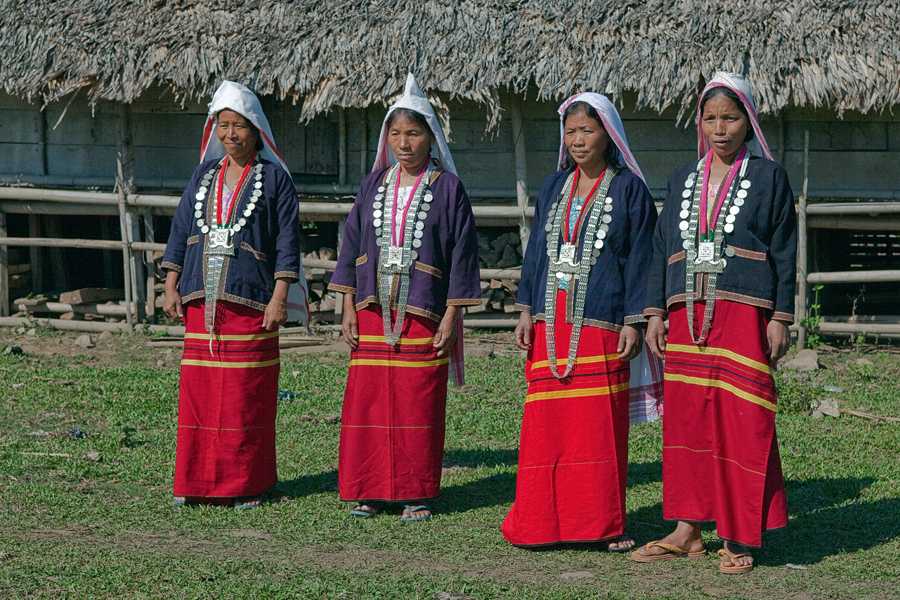
Arunachal Pradesh is home to a diverse range of indigenous communities, each with its own unique culture, language, and traditional attire. The state is renowned for its vibrant textile arts, particularly weaving, which plays a crucial role in the cultural identity of the tribes. Below are the details of some key traditional garments worn by various communities in Arunachal Pradesh, including Galuk and Rigu as mentioned, along with other examples of traditional dresses.


1. Galuk (Modern Coat)

The Galuk is a modern coat that has replaced the traditional attire of the Tagin tribe, which is one of the prominent indigenous communities in Arunachal Pradesh. The Tagin people are mainly found in the Upper Subansiri district. The Galuk is a significant piece of modern clothing in the tribe's wardrobe and is worn during festivals, rituals, and community gatherings. It reflects the fusion of modernity with the traditional roots of the community.

  • Fabric and Style: The Galuk is often made of woolen or cotton fabric, and the design can vary slightly from one community to another. It is typically worn over other garments and is paired with other accessories like shawls and sashes.
  • Significance: The Galuk represents a shift in traditional dress styles, signifying the adaptation of the tribe's cultural attire to modern times while maintaining cultural identity.

2. Rigu (Traditional Garment)

The Rigu is a traditional garment worn by various tribes in Arunachal Pradesh, including the Monpa tribe. It is a long piece of cloth, often reaching down to the ankles, and is worn from the waist down. The Rigu is typically wrapped around the waist and secured with a belt or tied with a knot.

  • Fabric and Design: The Rigu is usually made from cotton or silk and can be plain or woven with intricate designs, often in vibrant colors. It is worn during cultural events, religious ceremonies, and traditional festivals like Losar (Tibetan New Year).
  • Cultural Importance: The Rigu is more than just a piece of clothing; it carries cultural significance and is associated with the tribe’s customs and values.

3. Traditional Dresses of Arunachal Pradesh

Arunachal Pradesh's diverse tribes each have their own distinct traditional attire. The tribal clothing of the state is rich in colors, textures, and patterns, often reflecting the geographical and cultural diversity of the region. Here are a few more examples of traditional attire from various tribes in Arunachal Pradesh:

A. Apatani Tribe

The Apatani tribe is one of the most well-known communities in Arunachal Pradesh, primarily residing in the Ziro Valley.

  • Women’s Attire: Apatani women wear a cotton wraparound skirt called a "Yubu", along with a "Moni" (headgear) and beaded necklaces. Traditionally, women also used to wear nose plugs and ear discs, though this practice has faded in recent years.
  • Men’s Attire: The men wear a lungi (a traditional cloth wrapped around the waist) with a "Jangli" (a type of sleeveless coat), and headgear adorned with feathers and beads.

B. Monpa Tribe

The Monpa tribe primarily inhabits the Tawang and West Kameng districts.

  • Women’s Attire: Monpa women wear a chuba (a long woolen robe) with a "Rigu" (a long piece of cloth worn from the waist down). Their attire is often paired with traditional jewelry, including beads, bangles, and headpieces.
  • Men’s Attire: Monpa men wear a long woolen robe (similar to the chuba) with a sash tied around the waist. The men also wear felt hats adorned with feathers, which are worn during ceremonies and festivals.

C. Nyishi Tribe

The Nyishi tribe is found mainly in the central and western parts of Arunachal Pradesh, including the districts of Papum Pare and Lower Subansiri.

  • Women’s Attire: Nyishi women wear a lungi-style wraparound skirt and a blouse, typically made of cotton or silk. They also wear distinctive beaded necklaces and earrings. During special occasions, they wear ornate headgear made of feathers, beads, and other materials.
  • Men’s Attire: Nyishi men wear a simple cotton shirt and wraparound cloth (like a lungi), along with beaded necklaces and sometimes feathered headdresses.

D. Miji Tribe

The Miji tribe is mainly found in the West Kameng and East Kameng districts.

  • Women’s Attire: Miji women wear a cotton or silk wrap that is tied around the waist, resembling a sarong or lungi. They also wear blouses, and their attire is often accessorized with beads and necklaces.
  • Men’s Attire: Men wear loose-fitting shirts and lungis along with feathered headgear and jewelry made from beads and animal bones.

4. Weaving and Textile Art of Arunachal Pradesh

Textile weaving is a highly valued art form in Arunachal Pradesh, and each tribe has its own distinctive weaving techniques and patterns. The fabrics used for traditional clothing are often handwoven using locally sourced fibers such as cotton, wool, and silk. Some key aspects of textile arts in Arunachal Pradesh include:

  • Traditional Weaving Techniques: Most communities still practice traditional handloom weaving. Women are primarily responsible for weaving fabrics, and each tribe has its own patterns and designs, often inspired by nature and folklore.
  • Indigenous Fibers: The Monpa and Apatani tribes, for example, are known for using yak wool and silk to create garments. The woolen chuba and Rigu are examples of the high-quality fabrics produced in the region.
  • Patterns and Motifs: Common motifs in the textiles of Arunachal Pradesh include geometric patterns, animals, birds, and spiritual symbols. These designs hold deep cultural meaning and are passed down through generations.

Conclusion

Arunachal Pradesh’s traditional attire is not only a reflection of the natural beauty and rich cultural heritage of the state but also a testament to the craftsmanship and skill of its indigenous communities. The Galuk and Rigu are just two examples of how the region's clothing has evolved over time, blending modernity with deep-rooted cultural traditions. The weaving arts play a central role in the state’s identity, with each tribe contributing unique textiles that tell the story of their people, their land, and their history. These garments are more than just clothing; they are symbols of pride, identity, and community for the tribes of Arunachal Pradesh.


"This Content Sponsored by Buymote Shopping app

BuyMote E-Shopping Application is One of the Online Shopping App

Now Available on Play Store & App Store (Buymote E-Shopping)

Click Below Link and Install Application: https://buymote.shop/links/0f5993744a9213079a6b53e8

Sponsor Content: #buymote #buymoteeshopping #buymoteonline #buymoteshopping #buymoteapplication"